Measurable Impact.
Sustainable Outcomes.
At Clear Frontier, impact is not a marketing claim — it is a rigorous, independently verified commitment to improving soil health, water quality, carbon balance, biodiversity, and rural communities across every farm we manage.
Five Pillars of Sustainability
Sustainability is central to the Clear Frontier culture, strategy, and investment thesis. Our five pillars guide every decision we make — from farm selection to lease structuring to ongoing management.
Soil Health
Soil health is at the heart of our strategy. After decades of destructive soil management under industrial farming, our entire approach is focused on shifting towards more restorative and regenerative biodiverse farming systems that improve Soil Organic Matter (SOM) and soil structure.
Water Quality & Efficiency
Fresh water is a critically important resource, and agriculture is its largest user. Both water quality and quantity have steadily declined under conventional farming systems. Our approach is geared towards improving water quality and usage efficiency across all our farms.
Social Progress
Farming demographics and rural communities have been stagnating. Our strategy is designed to encourage and assist a younger farming profile, help address age and diversity issues, and support family farms building sustainable businesses that benefit local rural communities.
Carbon & Climate
Agriculture is a significant contributor to GHG emissions, not least via the reduction in SOM and soil carbon. By shifting towards restorative and regenerative farming systems, we make a significant impact towards reducing GHG emissions and sequestering carbon.
Biodiversity
Biodiversity is crucial for enhancing ecosystem resilience, improving soil health, and supporting beneficial pollinators. It helps reduce dependency on chemical inputs and increases the long-term sustainability of farming systems through natural pest control and ecological balance.
Real Results from the Field
We believe in rigorous tracking and transparency. The following metrics are drawn from Meadowlark Fund I farms with three or more years of data, verified through third-party soil testing and carbon tracking methodologies.
Source: Clear Frontier Ag Management. Eocene data as of 2024, published in CFAM 2025 Sustainability Report. Measurements based on farms with 3+ years of data.
UN Sustainable Development Goal Alignment
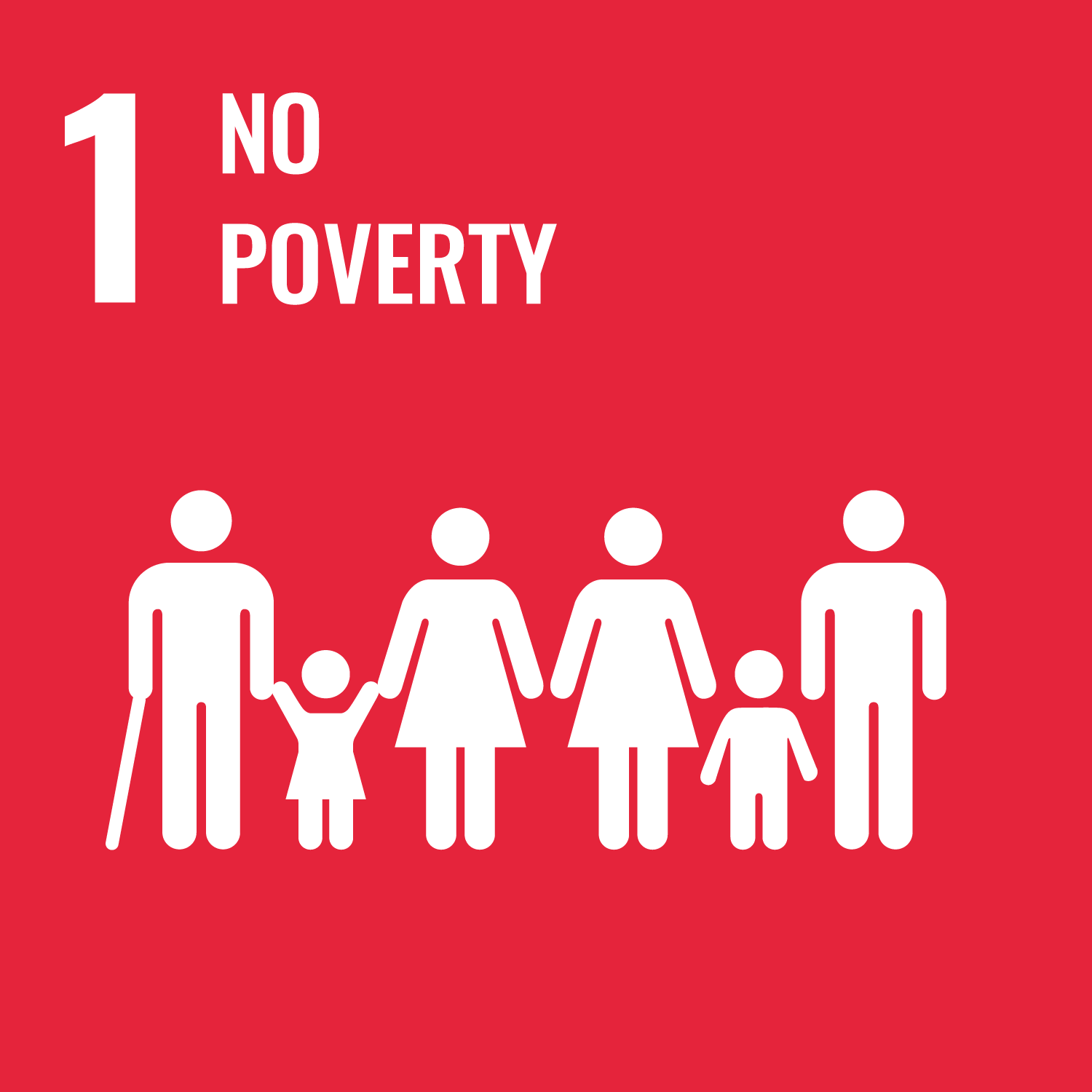
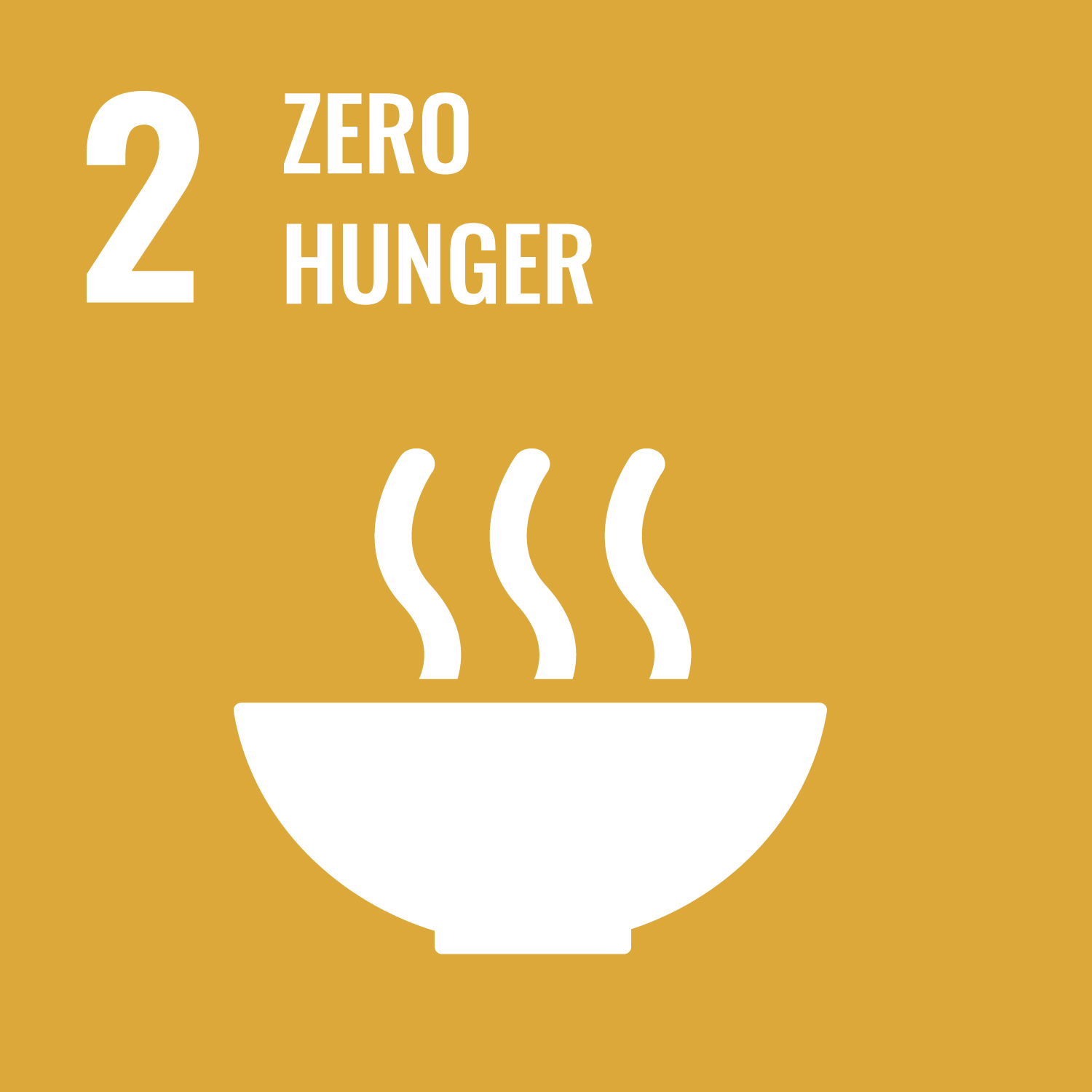
CFAM's core pillars of impact map directly across six of the United Nations' Sustainable Development Goals, providing a globally recognized framework for measuring and reporting our environmental and social outcomes.
CFAM's impact pillars align with 10 of the 17 United Nations Sustainable Development Goals.
Independently Certified. Rigorously Maintained.
Every farm in the CFAM portfolio is certified by independent third-party bodies to the highest organic and regenerative standards — providing investors and consumers with verified assurance of our practices.
All CFAM farms transitioning to or operating under USDA National Organic Program (NOP) certification — the gold standard for organic production in the United States.
The ROC standard goes beyond organic — incorporating soil health, animal welfare, and farmer and worker fairness into a comprehensive regenerative framework developed by the Rodale Institute.
Our Commitment to Responsible Investment


Recognized Impact
IA 50 2026 Fund Manager Recognition
Clear Frontier Ag Management has been named to the ImpactAssets 50 (IA 50) for 2026 — an annual showcase of experienced impact investment fund managers across asset classes and geographies. The IA 50 is a free, publicly available educational resource that provides a gateway into the world of impact investing for investors and their financial advisors.
View CFAM on the IA 50Annual Sustainability Reports
We publish comprehensive annual sustainability reports tracking our progress across all five pillars. Our reports are aligned with IRIS+ metrics, TCFD recommendations, and TNFD guidance.
Request Our Latest Report